
The hare in the rain glass
The glass hare appeared after the winter rain broke the blue lantern above the weir. No one saw it form. One morning, its pale body stood among the reeds, translucent as a reflection and solid enough to leave small prints in wet soil. Its long ears held faint violet shadows. The keepers called it Mourningglass because it returned whenever water covered the path to the village. It never approached a person who rushed toward it.
An apprentice ferrier named Anja first noticed that its reflection moved before it did. In the still surface of the weir, the hare turned its head a heartbeat before the creature raised its own. Anja thought she was tired. She tested it by lifting a hand. The reflection lifted first. The hare blinked, then hopped away. She told no one because she expected the others to call it a trick of broken light.
Anja lived with her grandmother, Ivara, who kept the weir gate and read water levels from marks cut into stone. Anja wanted to be useful but often moved too quickly, leaving tools in the rain and knots half finished. Ivara taught her to wait until the water showed what it was carrying. The hare seemed to share the habit. It stopped at crossings, watched the water, then chose its route.
When Anja left a piece of apple near the gate, the hare approached only after she stepped away. Its reflection took a bite before its mouth moved. The real hare ate after the reflected shape had finished. Anja began calling the reflection its first thought. Ivara warned that a reflection was not a promise. Still, the name helped Anja admit that the creature’s strange timing made her feel less alone in a house where every decision seemed to come too late.
The house by the weir
The weir house had one room above the sluice and a low kitchen that smelled of wet rope, onion and woodsmoke. Ivara kept a chalkboard of water heights on the wall. Anja read the numbers aloud each evening, though she knew them by heart. The hare sometimes waited outside the window. In the warped glass, its reflection stood closer to the hearth than the animal itself, as though remembering warmth before it arrived.
Anja’s mother had died in a fever when Anja was small. Her father worked on boats beyond the marsh and sent letters that grew less frequent. Ivara never pretended she could replace either parent. She gave Anja practical tasks and kept a chair open at supper. The hare’s visits filled the silence between chores without asking the girl to explain why she sometimes set three cups and then put one away.
The creature was not tame. It ate only when no one watched directly and fled from a hand that reached too fast. Anja began leaving food on a flat stone and sitting at the far end of the path. The hare learned that she would not close the gate behind it. One evening it stayed while Ivara measured the river, and Anja saw its reflection settle beside her own in the kitchen pane.
Ivara said the hare could not tell them what would happen. It could only show what the light and water held. Anja argued that its reflection moved before the body. Ivara replied that early was not the same as certain. That distinction irritated Anja until the next morning, when she mistook a dark line in the water for a safe crossing. The hare’s reflection stayed on the bank. She waited, and a branch swept past where she would have stepped.
The reflection that arrived first
The first time the reflection warned Anja about a wound, it was only a small cut. A ferrier named Deren slipped while carrying a chain. Before the iron scraped his palm, the hare’s image in the rain barrel turned toward him. Anja called his name. He startled, dropped the chain and scraped his knuckles against the wood instead. The injury was minor, but it changed what she believed the reflection might be showing.
The hare did not stop the accident by magic. Its image had shifted; Anja noticed, and Deren changed his grip. The chain still hit the ground and bruised his foot. Ivara helped him clean the scrape, then told Anja to write down what she had actually seen. She recorded the reflection turning before the fall, not that the hare had saved anyone. Anja found the narrower sentence harder to accept and more trustworthy.
After that, she watched surfaces around the weir. Sometimes the hare’s reflection moved first; sometimes the water distorted it until she could not tell. When she guessed, she was often wrong. Ivara made her label each note as observed, uncertain or imagined. This did not diminish the strange gift. It protected Anja from turning a creature’s presence into an answer she wanted to hear.
The hare began bringing her to places where someone needed help. It paused at the dock when a child had fallen and scraped a knee. It looked toward the workers when one of them grew dizzy in the heat. The reflection gave Anja just enough time to look again. She carried clean cloth, water and a list of names for the infirmary. She learned that noticing first still left the harder work to the living.
The list of small injuries
Anja kept a folded sheet in her apron with the names of people hurt around the river. Most injuries were ordinary: a split lip, a rope burn, a swollen wrist. She wrote who had been told and what the person asked for. Some wanted a healer; others wanted a dry shirt or five minutes alone. The hare’s reflection often reached the injured person before Anja did, but it could not choose what care they wanted.
One dockworker, Senn, refused help after slicing a finger. Anja kept offering bandage strips until Ivara reminded her that refusing help was also a choice. They left the clean cloth nearby. An hour later Senn came to the weir house and asked Anja to tie it. The hare sat by the step. Its reflection watched the bandage being wrapped, then turned toward the river before the animal did.
Anja thought the list would make her feel less helpless. Instead it showed how many people carried pain privately because they did not want to slow the others down. She started asking each person what would make the next hour easier, rather than promising everything would be fixed. The hare did not understand the words, but stayed nearby while people answered in their own time.
Ivara added a column to the chalkboard: “who is with them.” It was not a tally of injuries. It reminded the keepers to check whether someone had been left alone after the first aid ended. Anja learned that recovery did not begin and finish at the moment a wound was cleaned. Sometimes it began when another person came back the next day and remembered to ask.
The night her father returned
Anja’s father, Rell, returned in the middle of a foggy night with a torn coat and a fever. He had been working a riverboat that struck a submerged branch. He made it to the weir because he knew Ivara would leave the side lantern lit. Anja saw the hare’s reflection in the window turn toward the gate before she heard the knock. She ran to meet him, then stopped long enough to bring a blanket.
Rell’s shoulder was bruised and one arm shook from the cold. He said he was fine, because he feared Anja would see how frightened he was. The hare’s reflected image settled beside his shape on the wet glass, while the real animal stayed outside. Anja recognized the difference between a warning and an explanation. She asked Ivara to fetch the healer and stayed with her father until the help arrived.
Rell slept for two days. When he woke, he apologized for the letters he had not sent. Anja wanted to say that the apologies could not give back the years, but she saw his hand struggling to hold a cup. She set the cup on the table and told him they could speak after he ate. She did not forgive him all at once. She also did not make the sick man prove he deserved water.
The hare came to the kitchen window each evening while Rell recovered. His reflection reached the chair before he did when he walked slowly across the room. Anja wondered if the creature could glimpse a future or only rearrange the present in glass. She asked it silently whether her father would stay. The reflected hare looked away. Anja understood that this was not an answer she could demand from an animal.
What a reflection cannot promise
Rell stayed through the thaw, then left again to earn money on the boats. This time he wrote to Anja before he went, naming the day he hoped to return and admitting he could not guarantee it. She liked the honesty more than she liked the departure. Ivara said a promise was only useful when it left room for what the speaker could not control. Anja folded the letter and kept it beneath the water-level chalk.
The hare’s reflection sometimes showed Anja a stumble that never happened. It turned toward a door where no one came. Once, it seemed to show Ivara falling by the gate, but the old woman remained steady. Anja grew afraid to sleep in case she missed a warning. Ivara took away the notes for one night and told her that no creature could be made responsible for every possible hurt.
Anja learned to separate the reflected gesture from her interpretation. “It looked toward the bridge” was something she saw; “someone will fall” was a fear. She kept watch when the river rose, but also ate, rested and let other people take turns. The hare did not demand her vigilance. It never blamed her for what it had not shown.
When a child fell from a low step and scraped both palms, the reflection had not moved beforehand. Anja helped anyway. The absence of a warning did not mean the child mattered less. She cleaned the cuts, asked permission before touching, and sat until the crying stopped. Afterward she saw the hare at the edge of the yard. Its reflection was behind it for once, arriving late.
The glassmaker at the crossing
A glassmaker named Ves arrived to repair the blue lantern that had first marked the hare’s appearance. She brought a box of colored panes and asked Ivara which pieces could be reused. Anja watched how Ves fitted each shard without forcing it into a frame that was too small. The hare stayed near the window. Its reflection moved before Ves’s hand each time the woman measured a cut.
Ves told Anja that reflections did not show a single truth. They depended on angle, surface, light and what stood outside the frame. The hare’s strange timing did not make it a perfect witness. It made it a reason to inspect the scene more carefully. Anja wrote that down beside Ivara’s lesson about early not meaning certain.
The repaired lantern made the crossing visible from both sides. It had one pane of smoky violet glass, a color Anja chose because it matched the shadow in the hare’s wings. Ves warned that the pane would darken the flame if set too thick. Anja selected a thinner piece. The decision was hers, made with advice rather than prophecy.
The hare watched while they installed the lantern. When the flame came on, its reflection appeared on the glass before the mothless, empty window showed the real animal outside. Anja laughed at the sight. The creature had not been turned into a sign for the whole village. It was still a wary hare with a route, and she was still a person learning to look without insisting she knew.
The weir begins to fail
By late autumn, the weir gate had begun to stick. Ivara heard a grinding note in the chain and marked the stone at the river edge each morning. The water was not yet dangerous, but the upstream rains were heavy. Anja asked for more help from the village council. They sent two workers, then recalled them to a bridge farther downstream. Ivara did not hide her anger; the gate still needed repair.
The hare’s reflection crossed the water before a branch struck the outer brace. Anja called the workers back in time to move their tools, though the brace cracked. She wrote what happened in the maintenance log. It was useful evidence that the river was carrying debris, not proof the hare could predict every failure. The council finally sent timber and a crew.
Anja and Ivara spent a week strengthening the gate. They disagreed about whether to close the lower footpath before the next storm. Anja wanted it shut immediately; Ivara worried residents would ignore a barrier without a clear reason. They walked the path together and found a new sinkhole near the bend. Ivara approved the closure. Anja felt relieved, then uneasy that she had been right for reasons unrelated to the hare.
The creature remained on the safe side of the barrier. Its reflection looked down the flooded path while the body faced the house. Anja put a small marker at the point where the soil had given way. The marker was plain wood, painted blue. The warning belonged to the people who inspected the path and kept it closed, not to the hare alone.
The night of the high water
The storm arrived after midnight. Rain climbed the banks until the weir stones disappeared beneath brown water. Ivara and Anja lit the lantern and went to close the upper gate. The hare’s reflection reached the lever before the creature moved. Anja shouted for Ivara to wait. A submerged beam struck the steps, sending water over the landing. The delay gave the old keeper time to catch the rail.
They could not hold the gate alone. Anja ran for the village bell while Ivara stayed above the waterline. The hare moved along the bank toward the bell path. Its reflected shape passed a broken fence first; Anja saw the danger and took the high route. The warning did not solve the flood. It kept one messenger from being swept away before she could bring the others.
Neighbors formed a line to carry sandbags and guide families to the schoolhouse. The path was loud with rain and frightened voices. Anja counted people against the names on Ivara’s list. Some came in pairs; one elder arrived alone and could not remember whether his daughter had already left. Anja stayed with him until a neighbor found her. She did not leave him because the gate needed one more pair of hands.
Ivara reached the upper lever, but a chain snapped and cut her forearm. The hare’s reflection had turned toward her moments before. Anja saw blood and called the healer, who was already carrying bandages. Ivara insisted on finishing the release. The neighbors took the lever from her. That night the gate was opened in stages, and the lower homes flooded less than they might have. No one called it a victory.
The wound the hare found
At dawn, the villagers searched the bank for people and animals caught by the current. Ivara’s cut was shallow but needed stitching. She sat in the schoolhouse kitchen while the healer worked. The hare stayed beneath the table. Its reflection reached Ivara’s bandage before the animal itself approached. Anja noticed the movement and brought fresh water, though the healer had already asked for it.
The one who needed help next was a boatman named Rusk, with a deep cut under his sleeve. He had wrapped it tightly and kept loading supplies because he did not want to slow the line. The hare’s reflection touched the place where the cloth darkened. Anja asked him to sit. He resisted until Ivara said she would not let him carry another crate while bleeding through his cuff.
Anja cleaned the wound with the healer and held the lamp while the stitches were placed. Rusk told her he had been afraid of losing his boat and the winter work attached to it. He did not need a speech about bravery. He needed someone to take the next crate and tell the council what had happened. Anja did both, then returned to ask if he wanted company.
The hare had drawn her attention to the injury, but it did not close the wound or make Rusk ask for help. Anja began to see the difference between noticing and saving. A person could be noticed without becoming a project. The creature’s early reflection gave the living a moment to choose how to respond, and that moment still belonged to them.
The reflection in the flooded school
The schoolhouse floor flooded ankle-deep before morning. Families moved their blankets to the upper level. The hare’s reflection appeared in every dark window, though the animal stood only by the kitchen door. In one pane it seemed to turn toward a child asleep under the stairs. Anja checked and found the child safe but shivering. She brought a dry blanket and asked the family to move upstairs.
Anja did not write that the hare had saved the child. The water would have risen regardless; the family might have moved soon on their own. She wrote that the reflection drew her toward the stairwell and that she found a cold child there. In the margin she added: check again after an hour. The second check mattered as much as the first.
When the family woke, the mother thanked Anja and asked whether the hare had a name. Anja told her what they called it and admitted she did not know where it came from. The mother said her son had named it Glassfoot after seeing its tracks. Both names stayed. No one insisted that one had to erase the other.
The hare stood on a desk by the window while the water receded. Its reflection hopped down first, then the creature. Anja followed the movements with her eyes and finally rested. Ivara had taken a watch shift so her granddaughter could sleep. The village learned that care needed rotation; a warning system that exhausted one person would eventually fail.
The quiet after the gate
When the flood fell, the lower homes were mud and broken boards. Families laid ruined possessions in the square to dry. Anja helped sort them by household, writing names where the marks had washed away. She found a cracked hand mirror among the reeds. Its reflection showed the hare beside her before she saw the animal on the far bank. She carried the mirror to Ves, who recognized the frame as her sister’s.
Ves’s sister was safe, staying with relatives above the marsh. The mirror mattered because it held a painted line from their mother’s shop, not because it could reveal the future. Ves thanked Anja for bringing it. Anja wrote the return in the repair ledger. The hare watched from the waterline and did not follow the mirror home.
Ivara’s arm healed slowly. She could not lift the gate chain for weeks. Anja worried she would have to become the keeper before she was ready. Ivara said the village could share the work and that Anja would learn by doing one duty at a time. The hare’s reflection sat beside them in the kitchen window, still and unhelpful. They laughed, and Anja felt the pressure ease.
The village council offered Anja a permanent post as warning clerk. She accepted only after they agreed to maintain the gate and provide another person for night watch. She wanted to help, but not by pretending she could replace a crew. Ivara signed the agreement with her good hand. The hare remained near the sill, a witness to terms the people had finally put in writing.
The last safe crossing
In the spring, a cart carrying glass panes overturned near the weir. Ves was thrown against the frame and cut her cheek. The hare’s reflection reached her before the creature moved. Anja saw the blood, then looked for a safe path down the embankment. She called the workers to stay still while she fetched the healer. The hare waited on the dry stones; no one asked it to descend into danger.
Ves said she could walk, though her knees shook. Anja offered her an arm and asked whether she wanted to lean on it. Ves said yes. They crossed slowly, stopping when the cart shifted. The healer cleaned the cut and checked Ves’s eyes. The wound was not serious, but the fear lasted longer than the bleeding. Anja stayed until Ves could tell a joke about the pane that had survived.
The reflection had shown an injury before Anja saw the body fall. It had not told her what treatment Ves needed or whether she wanted touch. Those choices came from asking. Anja wrote the incident in the log with the details of the crossing, not as a legend of the hare. She had learned that an early glimpse should make her more attentive, not more certain.
Ves returned the next week with the repaired lantern glass. She placed the violet pane back into its frame and gave Anja the cracked mirror for the registry. The hare looked at its reflection in the glass, then at the real world behind it. Anja kept both surfaces clean enough to see through, but never claimed either one was the whole truth.
A visitor from the archive
One evening, a pale cloth-winged moth appeared by the lantern room. It rested on the window frame while the hare watched from the bank. Anja recognized the pattern from the flood registry folio Nella had once brought to the weir for safekeeping. The moth’s spirit remained caught in that record. Anja did not assume the two creatures shared a mind or history; they had only both found their way to the same threshold.
The hare’s reflection arrived at the window first. The moth lifted from the sill, and the hare turned after it. Anja opened the door to let the moth move into the dark, but it stayed near the folio. Its presence made the old page seem less like a record of loss and more like a place where a traveler had paused. The hare watched it without chasing.
Nella’s family had left a note with the folio: do not call the moth a tool or an omen. Anja read the sentence aloud. She and Ivara agreed. They set the ledger on a dry shelf and left the window unlatched. The moth’s reflected outline crossed the glass and returned. The hare’s reflection watched that movement a beat before the real animal lowered its head.
The meeting connected two records without solving either one. The moth remained unable to leave its binding. The hare remained a living creature whose reflection sometimes moved early. Neither became a symbol owned by the other. Anja added the date to the archive log and wrote that both were seen, each in its own place, and that no one knew what the reflection meant.
The card that keeps a question
The Ledger Crow later recorded Mourningglass Hare as a card-soul, preserving one spirit in the official Mournhand card design. Its pale, translucent body and violet-edged forms echo the weir water and broken lantern glass. The game art is not a photograph of Anja’s mirror, and its effects do not prove the hare could see every future. The card preserves the creature while its personal story keeps the uncertainty that made it feel real.
In the game, Mourningglass Hare costs 2 energy and enters as a 1/3. Its entry effect checks whether a friendly creature is damaged. If at least one is, the player draws a card and then discards a card. It does not heal anyone. The condition is checked when the Hare enters; a damaged enemy alone does not satisfy it. The draw-then-discard is one paired effect, not an unrestricted extra card.
The best time to deploy is when a friendly unit has taken damage and you can use the selection to improve your hand. If no friendly unit is damaged, the Hare still adds a 1/3 body, but the card-selection effect does not trigger. An undamaged ally does not qualify. The Hare does not need to be damaged itself; the condition concerns another friendly creature already on the board.
For example, if your hand contains a situational card and a friendly 4/5 has two damage, entering the Hare draws one card and then requires a discard. You can replace a card that is poor for the current board, but you do not keep both cards for free. The 1/3 remains a separate unit after the effect. Plan the play around the condition and the discard decision.
What the water keeps
Anja became the warning clerk and later trained others to read the weir marks. She kept the first list of small injuries in a drawer with the gate reports. Ivara returned to the lever when her arm healed, but shared each shift. Their system did not depend on one person or on the hare’s strange reflections. The creature visited when it wished and left when the path opened.
Rell continued sending letters. Some arrived late; some never arrived. Anja learned to care for him without pretending the distance had not hurt. She kept the letter in which he admitted what he could and could not promise. The hare’s reflection sometimes reached his chair before he did, but it never told her whether he would stay. That question belonged to the two of them.
When Ivara died years later, Anja found the water-level chalk beneath her bed. She kept the marks on the wall and added a small line at the height of every remembered flood. The hare remained outside the window that night. Its reflection stood on the sill before the animal arrived. Anja placed two cups on the table, then left them there until morning.
The water still carries branches and lost objects past the weir. Anja still asks whose name belongs beside each one. Sometimes the glass hare’s reflection moves first; sometimes it does not. It has never made the future easy. It has made a few people look twice, ask whether someone is hurt, and stay long enough to hear the answer. That is the help its story can promise.

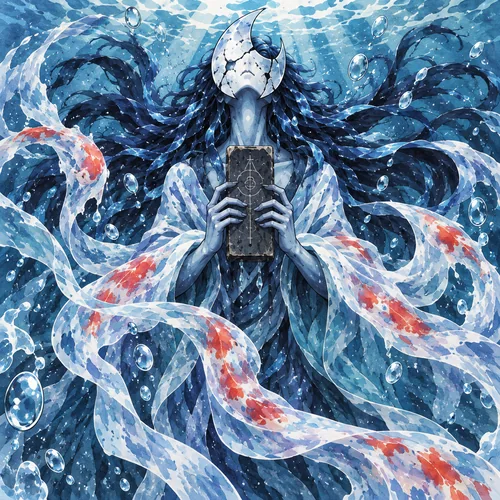 The Drowned OracleC07 · 3 energy · 2/4They lowered her into the reservoir to silence a prophecy.Read this folio →
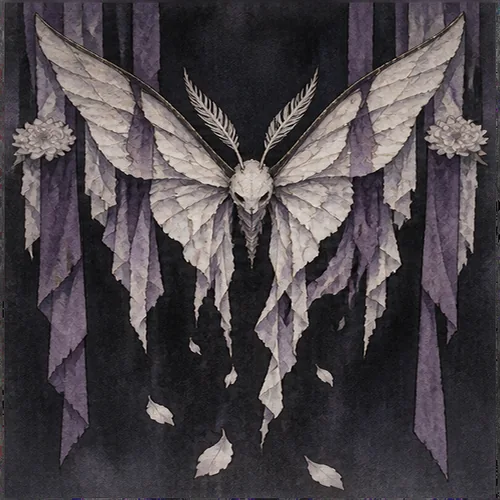 Shroud MothC29 · 2 energy · 2/2It carries torn obituary ribbons between doors that no longer have houses.Read this folio →
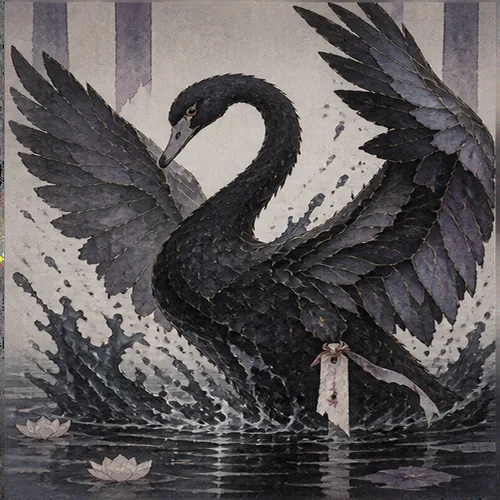 Undertaker's SwanC31 · 4 energy · 3/4It ferries names written on feathers and washes its beak only after it has earned someone one more morning.Read this folio →